
Mary Margaret Daycare

Young children playing on a colorful playground during outdoor playtime.

Benefits of Outdoor Play for Young Children in Childcare

Daily outdoor play does far more than burn energy,it builds stronger bodies, calmer minds, richer friendships, and better sleep. This guide explores the physical, mental, social, and cognitive benefits of outdoor play for children from infancy through school age, and shows how Mary Margaret Childcare and Learning Center weaves it into daily routines across nine St. Louis–area locations.

Benefits of Outdoor Play for Young Children in Childcare Read More »

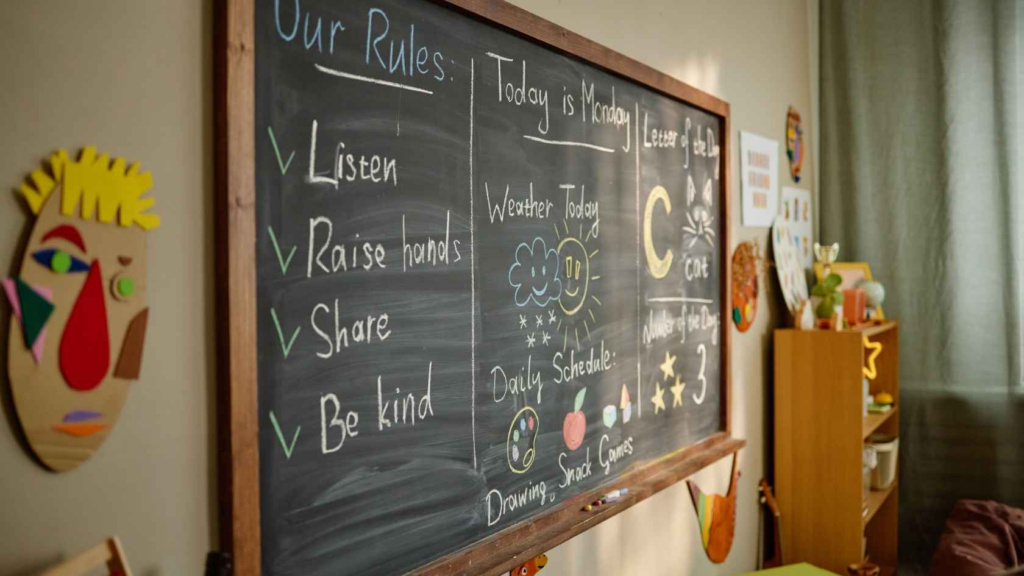
Classroom chalkboard showing daily rules, weather, letters, and schedule activities.

How a Structured Childcare Schedule Helps Children Feel Confident

Predictable daily routines help children feel safe, calm, and ready to learn, and that sense of security is the foundation for real confidence. This guide walks through a typical structured childcare day, from morning arrival and circle time to learning centers, rest, and outdoor play, showing how each part supports emotional stability, social growth, and school readiness. Discover how Mary Margaret Daycare and Learning Center balances structure with plenty of play across its nine St. Louis locations.

How a Structured Childcare Schedule Helps Children Feel Confident Read More »

Caregiver checking a young child’s temperature while offering comfort and support.

Why Consistent Caregivers Matter in Early Childhood Programs

Consistent caregivers give infants and young children the safety and trust they need to grow, learn, and thrive. This guide explains how low staff turnover supports stronger attachment, better behavior, and richer language and social development, backed by research on caregiver continuity. You’ll also see how Mary Margaret Daycare and Learning Center prioritizes stable, nurturing caregiving across nine St. Louis locations for children ages six weeks to 12 years.

Why Consistent Caregivers Matter in Early Childhood Programs Read More »

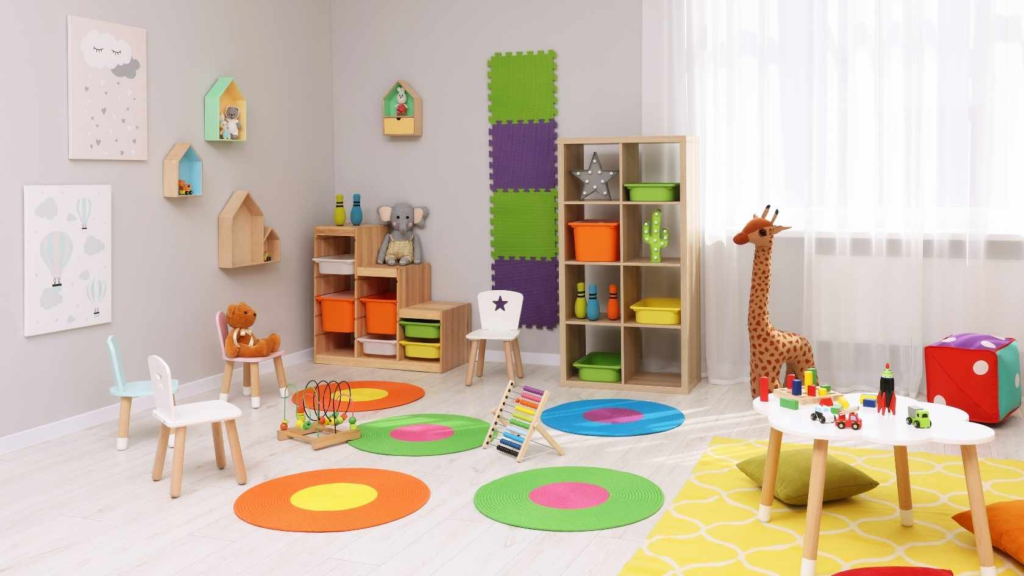
Bright preschool classroom with colorful rugs, toys, shelves, and child-sized furniture.

The Difference Between Daycare Options: How to Choose the Best Child Care for Your Family

Choosing child care can feel overwhelming with so many options to weigh. This guide breaks down the main types of daycare, from in-home nannies and family child care homes to licensed center-based programs, comparing cost, group size, daily routines, licensing, and early learning. You’ll get practical guidance for St. Louis families, plus a look at how Mary Margaret Daycare and Learning Center supports children ages six weeks to 12 years across nine locations.

The Difference Between Daycare Options: How to Choose the Best Child Care for Your Family Read More »

Child and adult drawing together with markers during an early learning activity.

How Early Childhood Education Helps Prepare Children for Kindergarten

The move from home or daycare to kindergarten is a big step, and high-quality early childhood education gives children a real head start. This guide explains how play-based learning, daily routines, and guided practice with self-help skills build social, emotional, and academic readiness. You’ll also learn how to choose the right program and how Mary Margaret Daycare and Learning Center supports kindergarten readiness across nine St. Louis locations for children ages six weeks to 12 years.

How Early Childhood Education Helps Prepare Children for Kindergarten Read More »

Daycare teacher sitting with young children during a hands-on classroom activity.

Why Communication Between Parents and Daycare Teachers Matters

Strong communication between parents and daycare teachers shapes how well your child grows, feels, and learns. This guide explains why two-way communication matters, from daily drop-off chats and digital updates to parent-teacher conferences and open houses. You’ll also learn how to build trust, overcome common barriers, and see how Mary Margaret Daycare and Learning Center partners with families across nine St. Louis locations for children ages six weeks to 12 years.

Why Communication Between Parents and Daycare Teachers Matters Read More »

Preschool children raising their hands during a group classroom activity with teachers.

What Makes a Daycare Feel Safe? A Parent’s Guide to Finding the Right Fit

Choosing a daycare is a big decision, and safety should come first. This guide explains what daycare safety really means, from locked doors and healthy ratios to responsive teachers and predictable routines. You’ll get a practical daycare safety checklist, age-specific tips from infants through school-age, and a look at how Mary Margaret Daycare and Learning Center supports safe, nurturing care across nine St. Louis locations.

What Makes a Daycare Feel Safe? A Parent’s Guide to Finding the Right Fit Read More »

Preschool children sitting together during a classroom reading activity.

Preschool in St. Louis: How to Know What Program Is Right for Your Child

Choosing a preschool in St. Louis can feel overwhelming, but the right fit comes down to a few key factors you can work through step by step. This guide walks parents through age cutoffs, schedules, program quality, safety, curriculum, and cost, with a look at how Mary Margaret Daycare and Learning Center supports children ages six weeks through five across nine metro locations.

Preschool in St. Louis: How to Know What Program Is Right for Your Child Read More »

Group of young children sitting together while wearing colorful rain boots.

How Infant Care Supports Early Growth and Development

The first 18 months shape a child’s brain, emotions, and learning for life. This guide explains how responsive infant care supports early growth through secure relationships, safe sleep, sensory play, and consistent routines. Learn what quality care looks like and how Mary Margaret Daycare and Learning Center in St. Louis, MO supports babies from six weeks across nine Missouri Accredited locations.

How Infant Care Supports Early Growth and Development Read More »

Scroll to Top