Key Takeaways
- The importance of emotional development in early childhood is as real as safety, nutrition, physical health, and early learning.
- Strong emotional skills support mental health, school readiness, child health, friendships, and behavior well into adult life.
- emotional development stages begin at birth; delays or red flags should be discussed early with pediatricians, health care providers, or child development specialists.
- High-quality early childhood development settings, including Mary Margaret Daycare and Learning Center in the St. Louis Metropolitan area, can support every child’s emotional growth through warm care, structure, and play.
Why Emotional Development Matters in Early Childhood
emotional development is how young children learn to recognize, express, and manage feelings. It starts when babies cry, smile, and respond to caregivers, then grows into emotional awareness, empathy, self regulation, and problem-solving.
This makes emotional development important to childhood development, early childhood education, and life outcomes. A toddler saying “I’m mad” instead of hitting, or a preschooler taking deep breaths after losing a game, is using emotional skills in real time.
Between birth and age five, the brain develops faster than at any other time, making early emotional experiences highly impactful. Early emotional bonds physically shape the neural circuits regulating stress and adaptation, while safe, supportive emotional environments help build healthy brain architecture. Research also links self-regulation and attention in the early years with stronger literacy and math outcomes later, including findings from large longitudinal studies such as the Longitudinal Study of Australian Children.
Understanding Emotional Development Stages in Young Children
Emotional development stages build on one another, though each developing child grows at a unique pace. Emotional development in children progresses through distinct stages: infancy (0-2 years), toddlerhood (2-4 years), preschool (4-6 years), school age (6-12 years), and adolescence (12+ years), each marked by key emotional milestones. This article focuses on early childhood: infancy, toddlerhood, and preschool/early school age.
Infancy: Birth to 12 Months
During the infancy stage, children begin to form emotional bonds with caregivers, developing basic trust and expressing emotions through facial expressions and sounds. Newborns rely on primary caregivers for soothing, feeding, and comfort.
Many infants show social smiles around 2–3 months and smile more selectively at familiar adults by 4–5 months. Consistent comfort teaches babies that children feel safe with caring adults. Developing a strong, trusting bond with primary caregivers serves as a safe base for exploring the world.
Toddlerhood: 1 to 3 Years
Toddlers begin to want independence, but they still need help managing emotions. In the toddler stage, children start to recognize their own emotions and those of others, often experiencing frustration as they learn about emotional boundaries and rules.
By the end of the second year of life, toddlers begin to experience self-conscious emotions such as shame, embarrassment, guilt, and pride, which emerge as they develop a sense of self. Adults can help by naming basic emotions: happy, sad, mad, and scared.
Children learn to use words instead of physical aggression to solve disagreements. For example: “I need a turn” replaces grabbing. Patient support now can lead to fewer behavior struggles later.
Preschool and Early School Age: 3 to 6 Years
The preschool stage is characterized by the development of empathy and the ability to understand others’ emotions, as well as learning to manage emotional outbursts with guidance. Children begin to show complex emotions such as pride, guilt, and embarrassment.
Empathy is the understanding and sharing of the feelings of others. In preschool, children practice sharing, waiting, joining play, and using language to resolve conflicts. In a block area, one child may say, “I was using that,” while a teacher helps both children find a fair plan.
These social and emotional skills connect directly to kindergarten readiness, reading, math, and group learning.
How Emotional Development Supports Learning, Behavior, and Child Health
Understanding and managing feelings allows children to navigate social and academic environments more successfully. Children with strong social and emotional skills are more motivated to learn and engage in group activities.
Emotionally secure children focus better because anxiety does not hijack their brains. Emotional control prevents frustration from blocking critical thinking skills during learning. Stable emotions promote regular sleep patterns and healthy eating behaviors, supporting physical health as well as emotional well being.
Emotional development has a direct link to academic success, as children who are emotionally secure and self-regulated perform better in school, both academically and behaviorally. Research shows that children from disadvantaged backgrounds are more likely to repeat grades and drop out of high school, indicating that emotional development is crucial for academic success. Children with strong emotional skills are more likely to have better mental health, higher academic achievement, and healthier social relationships as they grow older.
The Role of Trusting Relationships in Early Emotional Development
Warm, trusting relationships are the foundation of healthy emotional development. Parents play a crucial role in shaping their children’s emotional development by providing a secure and loving environment that fosters emotional security and promotes healthy expression and regulation of emotions.
The environment in which a child grows significantly influences their emotional development, with positive and nurturing environments fostering emotional well-being and resilience, while chaotic or stressful environments can hinder healthy emotional growth. Factors such as parental attachment, social environments, and biological aspects play a crucial role in a child’s emotional development, with secure attachments promoting emotional security and inconsistent attachments leading to emotional insecurity.
Showing Warmth and Affection Consistently
Daily warmth-smiles, eye contact, gentle touch, and calm words-builds emotional security. Open expression of positive emotions and warm, supportive relationships between parents and children promote effective emotional self-regulation, which is particularly important during early childhood.
Children watch how caregivers handle stress, anger, and sadness, which influences their own coping skills. Modeling deep breathing or talking through feelings teaches children practical coping skills.
Respecting and Caring About Every Child
Respect means listening, validating feelings, and honoring temperament, culture, language, and learning style. Nurturing strong parent-child relationships, actively listening to children’s feelings, and validating their experiences are essential practices for parents to support emotional development.
Respect also connects to child rights: every child deserves safety, dignity, education, support, and caring adults who help them build positive relationships.
Intentional Teaching of Emotional Skills in the Early Years
Emotional development is not left to chance. Strong early childhood education programs intentionally teach emotional skills through play, stories, routines, and coaching.
At Mary Margaret Daycare and Learning Center, early childhood education balances fun with education in supportive environments where children learn through play, structure, and meaningful relationships.
Using Stories and Books to Build Emotional Skills
The ability to recognize, label, and understand one’s own emotions as well as the feelings of others is known as emotional literacy. Emotional literacy helps children share, cooperate, and make lasting friendships.
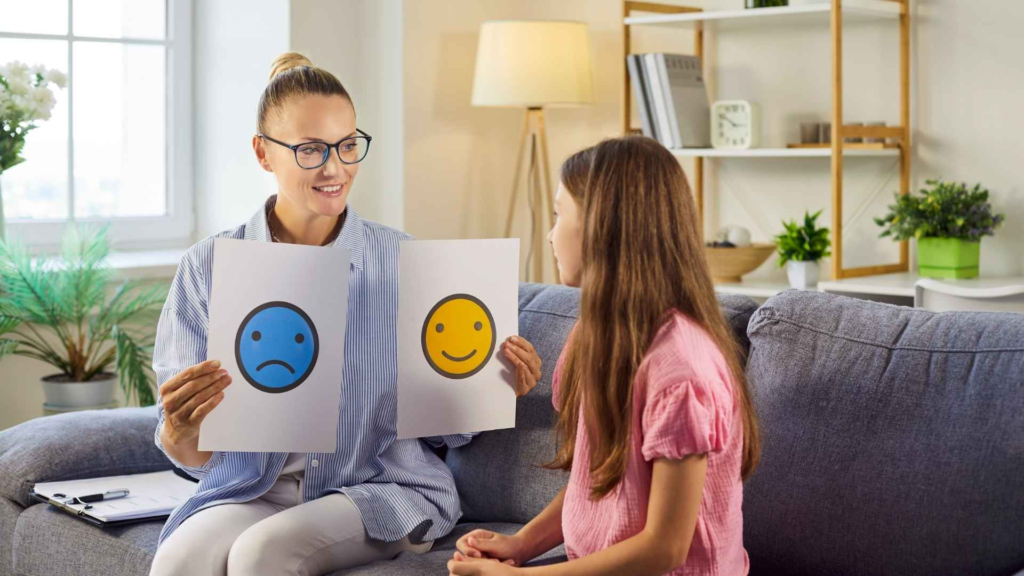
Books about starting school, sharing, anger, or friendship help children connect words with feelings. Teachers can ask, “How do you think she feels?” while pointing to facial expressions.
Planning Activities That Support Emotional Development
Encouraging play-based learning allows children to process complex emotions and develop problem-solving skills. Puppets, art, music, turn-taking games, and pretend play help with expressing emotions safely.
In early learning settings, children develop emotional competence by practicing choices: “Do you want to ask for help or try again?”
Coaching Children in the Moment
Children learn to identify, manage, and express feelings safely without aggressive outbursts when adults coach calmly during conflict. Emotional Regulation is the management and adjustment of responses to intense emotions.
A caregiver might say, “You are upset. You wanted the truck. Let’s ask for a turn.” This teaches managing emotions, understanding others emotions, and safer action.
Using Specific, Encouraging Praise
Specific praise helps children notice their growth: “You waited for your turn,” “You used words,” or “You helped your friend.” This builds self awareness, confidence, and emotional resilience without pressuring children to be perfect.
Modeling Healthy Emotional Behavior
Children learn by watching adults. When adults apologize, pause, breathe, and speak respectfully, young children copy those patterns. emotional intelligence gives children the coping mechanisms to bounce back from setbacks, and strong emotional health helps children bounce back from daily frustrations and trauma.
Recognizing Signs of Healthy Emotional Development and Red Flags
Children who demonstrate healthy emotional development typically have the ability to identify and understand their emotions, express themselves effectively, and display empathy towards others. Signs of healthy emotional development include the ability to adapt to change, handle stress, and build positive relationships with peers and adults.
Children with healthy emotional development tend to exhibit a positive self-image and demonstrate resilience in dealing with challenging situations. The ability to communicate and resolve conflicts enables children to form positive connections with peers and adults. Emotional development enhances children’s ability to form positive relationships, cooperate with others, and resolve conflicts, which are essential social skills.
Possible red flags include limited eye contact, little response to comfort, extreme tantrums after age 4, persistent aggression, withdrawal, or inability to calm with help. Early life stress and adverse events, such as physical abuse and family instability, can have lasting impacts on children’s emotional development, leading to inadequate coping skills and difficulty regulating emotions. Healthy emotional management prevents chronic elevation of cortisol, which damages immunity. Children at the greatest risk need early support.
Practical Tips for Parents to Nurture Emotional Development at Home
You do not need to be an expert. Small, consistent habits help your child’s emotional development.
- Name feelings: “You feel disappointed.”
- Validate before limits: “It’s okay to be mad. It’s not okay to hit.”
- Establishing consistent routines fosters a sense of physical and emotional safety.
- Read feelings-themed books and discuss choices.
- Practice breathing, quiet breaks, and repair after conflict.
How Mary Margaret Daycare and Learning Center Supports Emotional Development
Mary Margaret Daycare and Learning Center has served families since 1988 and now has nine locations serving the St. Louis Metropolitan area. Programs support children from six weeks to twelve years old, including infant care, toddler care, preschool, Pre-K, before and after school care, and summer programs.
The center’s whole-child approach supports social skills, emotional expression, early education, physical growth, and academic development. Infants receive responsive care; toddlers build communication and confidence; preschoolers learn through play, group time, and discovery.
This kind of structure helps children form positive relationships, build healthy relationships, and experience the emotional support needed for healthy development.