
Key Takeaways
- Quality daycare centers give children daily practice being independent, building self confidence, self esteem, and social skills from as early as six weeks old.
- Consistent daily routines, peer interaction, and caring teachers at a learning center help children develop communication skills, emotional regulation, and resilience away from home.
- Confidence built through early childhood education directly supports school readiness, stronger friendships, and long-term child development.
- The amount and quality of care both matter: children in high-quality programs 3.5 or more days per week show stronger social competence and fewer behavior problems.
- Choosing the right fit daycare center and staying involved as parents is key to supporting a child’s comfort and growth away from home.
Introduction: Why Confidence Away From Home Matters
Many St. Louis families begin child care in the first year of life, whether to return to work, give their child early socialization, or take advantage of structured learning opportunities. Whatever the reason, one question comes up again and again: will my child be okay without me?
“Confidence away from home” means a child feels safe, capable, and comfortable in a new environment. It means trusting other adults, trying new activities, and knowing they can handle small challenges on their own. Research in child development consistently shows that positive out-of-home experiences support long-term social and emotional growth. At Mary Margaret Daycare and Learning Center, this has been the guiding focus since 1988: whole-child development and healthy self esteem in a safe and nurturing environment, across nine locations in the St. Louis Metropolitan area.
How Daycare Builds Confidence From the Very Start
The transition from home to daycare can feel big for both kids and parents. But even a few hours in a new setting, repeated consistently, becomes a powerful confidence-building routine.
Consistent schedules, familiar faces, and predictable activities like morning circle, snack time, and outdoor play help children feel secure enough to explore. Caregivers gradually encourage independence: hanging up coats, choosing toys, joining group time. Each of these moments gives a child a quiet victory: “I can do it myself.”
Consider a shy toddler who barely speaks during the first week. With stable teachers and gentle encouragement, she begins pointing at toys, then choosing them on her own, then sitting closer during circle time. Within a few weeks, she’s telling her teacher about her weekend. That progression is confidence in action.
Confidence Foundations in Infant Care (6 Weeks to 18 Months)
Healthy self esteem starts in infancy, long before babies have a clear sense of “self.” It begins through warm, responsive relationships with caregivers who hold, soothe, talk to, and sing with them consistently.
In infant care classrooms, trust and security develop through gentle routines: responsive feeding, predictable nap schedules, and the same familiar faces each day. Simple experiences matter enormously. Tummy time on soft mats, reaching for a rattle, hearing a caregiver narrate their actions (“You grabbed the red ring!”) all build early self confidence in their bodies and abilities.
A longitudinal study of nearly 3,700 mother-infant pairs found that infants who received higher levels of responsive caregiving at 2, 6, and 12 months scored significantly higher in communication, problem solving skills, and personal-social development. That’s the solid foundation daycare can provide from the very start, even for little ones as young as six weeks.
Toddlers: Practicing Independence in a Safe Place
Between about 18 months and 3 years, toddlers are driven to do things themselves while still needing plenty of reassurance. Daycare gives them the perfect space to practice.
Key experiences that foster toddler self esteem include:
- Choosing toys and activities from open shelves
- Feeding themselves with utensils
- Helping clean up after snack or play
- Participating in short group times with peers
Caregivers at a learning center scaffold new skills, supporting just enough so toddlers succeed at tasks slightly beyond their current ability, like using a spoon, putting on shoes, or joining a friend’s play. A Dutch study on 2- and 3-year-olds found that high emotional and behavioral support in daycare centers was linked to higher social competence one year later. Children spending 3.5 or more days per week in high-quality settings showed lower levels of externalizing behavior. Structured independence away from home builds resilience and pride: toddlers learn they can manage small challenges even when Mom or Dad isn’t right there.
Preschool Years: Building Social Confidence and School Readiness
Preschoolers ages 3 to 5 live in an expanding social world. Friendships, group learning, and comparing themselves with peers all play a big role in how they see themselves.
Preschool classrooms at a daycare and learning center act as a bridge to kindergarten, practicing routines like lining up, circle time, and center rotations. Specific confidence-building activities include show-and-tell, simple classroom jobs (line leader, snack helper), and small-group projects where children share ideas and collaborate. When a child leads a song, answers a question in front of the group, or completes a puzzle with a friend watching, both self confidence and communication skills grow.
A 2025 meta-analysis of approximately 17,900 children found that process quality in early childhood education settings, meaning the warmth, responsiveness, and emotional support of interactions, predicted socio-emotional development from toddlerhood through adolescence, with stable and significant effects over time.
School-Age Care: Confidence Beyond the Classroom
Before- and after-school programs for children up to 12 years old help school-age kids feel capable and supported during long days away from home. Homework help, quiet reading corners, and enrichment clubs in arts, STEM, or outdoor games let children explore talents beyond academics.
Older children gain self esteem through mentoring younger classmates, making choices about how to spend their time, and managing their own schedules and belongings. At Mary Margaret, summer programs and field trips around the St. Louis area give kids chances to navigate new places with trusted adults, increasing independence and real-world confidence.
Building Social Skills and Friendships Away From Home
Peer interaction is one of the biggest ways daycare centers support child development. Daily play with peers teaches children to initiate conversations, join games, share materials, and handle the reality of being included or left out.
Research on peer interaction networks among preschoolers shows that free play and peer-directed activities lead to increased verbal interactions, stronger friendships, and improved social, language, and cognitive outcomes. Successful friendships, making a friend, resolving a hurt feeling, being invited to play, strengthen a child’s sense of worth and belonging away from home.
Picture a child who is initially nervous about group play. With caregiver support, he learns to walk up and ask, “Can I play too?” Within weeks, he has regular friends who save him a seat at snack time. That’s social confidence taking root.
Communication Skills: Finding Their Voice in a New Setting
Confident communication is a major part of self confidence, especially in an environment where children can’t rely on parents to speak for them.
Caregivers encourage children to use words, or signs and gestures for younger children, to express needs, preferences, and feelings. Structured opportunities to develop communication skills include circle-time discussions, storytelling, asking and answering questions, and simple presentations. Learning to speak up, asking for help, telling a teacher they feel sad, or saying “I need a turn next,” directly builds self esteem in daycare settings and prepares children for success in school and community life.
Emotional Regulation and Coping With Separation
Being away from home can be emotional, especially during the first weeks of daycare or after long breaks and holidays. That’s completely normal and part of healthy child development.
Skilled caregivers support separation anxiety through warm greetings at drop-off, predictable goodbye routines, and reassuring updates to parents. Over time, children learn coping strategies: using a comfort toy, taking deep breaths, asking for a hug, or choosing a favorite activity right after arrival. Mastering these tools in a child care setting leads to long-term emotional resilience and confidence in new environments, whether that’s school, sports, or community activities.
Structured Routines That Make Children Feel Capable
Predictable daily routines reduce anxiety and free children to focus on learning and exploration. Common daycare routines include:
- Arrival and greeting
- Circle time
- Structured learning centers and free play
- Outdoor play
- Meals and rest time
- Pick-up
Each step offers small tasks children can master. Remembering the schedule, transitioning between activities, and following simple rules without constant reminders all develop a sense of responsibility and pride. Consistent routines at Mary Margaret Daycare and Learning Center also support smoother mornings and evenings at home, because children understand what to expect across settings.
Play-Based Learning: Trying, Failing, and Trying Again
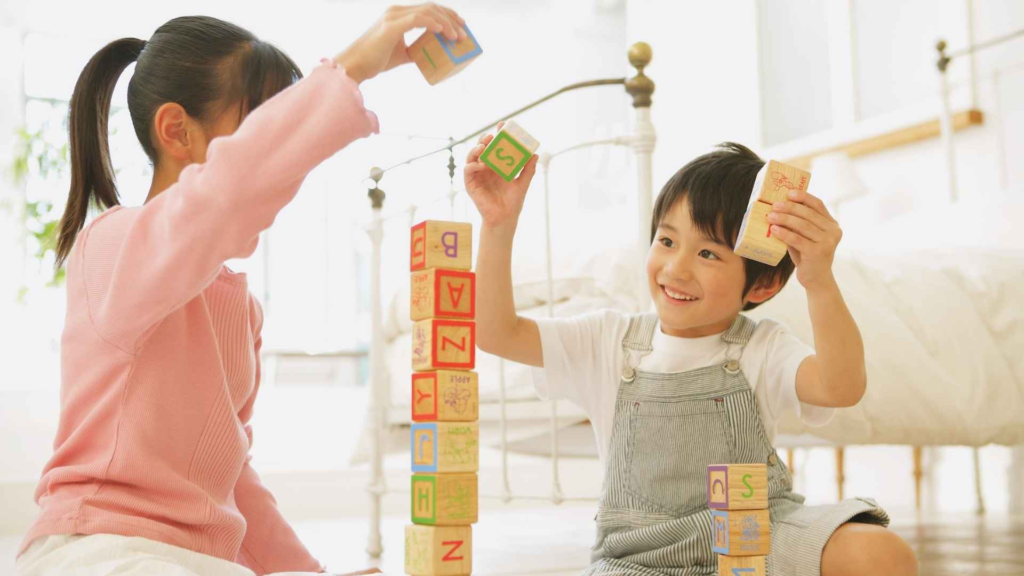
Play is central to early childhood education and one of the safest ways for children to experiment and take manageable risks. Open-ended play, blocks, dramatic play, art, outdoor exploration, lets children make choices, test ideas, and see the results of their actions. That cycle fuels self confidence and cognitive growth.
In a supportive daycare center, mistakes are treated as learning opportunities. Towers fall, paint drips, games don’t go as planned. Caregivers model positive responses: “That tower fell! What could we try differently?” A child who rebuilds a block tower three times, adjusting her approach each round, is developing resilience and problem solving skills that carry well beyond the classroom. This is play based learning at its best.
The Role of Caring Teachers in Nurturing Self-Esteem
Relationships with teachers are at the heart of confidence-building in child care settings. Consistent, warm caregivers who know each child’s personality, interests, and triggers help children feel valued as individuals.
Specific teacher behaviors that develop self esteem include:
- Getting down to a child’s eye level during conversations
- Using the child’s name often
- Acknowledging feelings before redirecting behavior
- Celebrating effort rather than perfection
At Mary Margaret Daycare and Learning Center, teachers are trained to focus on whole-child development, social, emotional, physical, and academic, so confidence grows across all areas. When children feel seen and understood by a trusted person in their classroom, they develop the courage to try new things and talk about what matters to them.
Partnering With Parents to Support Confidence
Confidence grows best when daycare and home send consistent messages of safety, capability, and unconditional acceptance. Communication between daycare staff and family members matters: daily notes, pick-up conversations, and sharing milestones or concerns keep everyone aligned.
Parents and caregivers can coordinate in practical, healthy ways: using the same comforting phrases at drop-off, reinforcing new skills at home, and jointly planning for transitions like potty training or moving up a classroom. Mary Margaret invites families to schedule a tour and meet with teachers to discuss their child’s needs and ensure the program is the right fit.
Choosing the Right Daycare Center for Your Child’s Confidence
Not every program is the same, and choosing the right fit can make a real difference in how quickly a child feels secure and confident. Key things to look for include:
- Warm, responsive teacher-child interactions
- Clear safety policies and low staff turnover
- Engaging, age-appropriate activities and early literacy opportunities
- Well-designed outdoor play areas
- Accreditation or quality standards
Encourage yourself to observe how teachers talk to children, how kids respond at drop-off and pick-up, and whether children seem relaxed and involved. Visit multiple centers, bring a list of questions, and consider scheduling a tour at Mary Margaret Daycare and Learning Center to see classrooms in action across its St. Louis locations.
How Mary Margaret Daycare and Learning Center Supports Confident Kids
Mary Margaret’s mission is straightforward: create a safe, nurturing environment where children can learn, grow, and build confidence at every stage, balancing fun with education since 1988. With nine locations in the St. Louis Metropolitan area, child care programs serve children from six weeks to twelve years, including before- and after-school care and summer programs with a wonderful variety of field trips.
Each age-level program, infant, toddler, preschool, and school-age, is intentionally designed to support independence, social skills, and academic readiness. Explore Mary Margaret’s programs to see how structured learning, creative play, and nurturing care come together to help children develop into confident, capable people.
Long-Term Benefits of Building Confidence in Daycare
Early self confidence predicts better adjustment in school, stronger relationships, and greater resilience during setbacks. Children who practice independence, communication, and problem solving at an early age transition more smoothly into kindergarten and beyond.
The benefits extend across lives: greater participation in class, willingness to ask questions, stronger peer relationships, and a proud willingness to try hard things. Choosing a supportive child care environment is an investment in your child’s lifelong self esteem and love of learning.
Frequently Asked Questions About Daycare and Confidence
At what age can daycare start helping my child’s confidence?
Confidence-building can begin as early as six weeks in infant care, through consistent, loving caregiving that builds trust and security. Toddlers and preschoolers show more visible signs, like trying new activities, speaking up, and separating more easily from parents, but the groundwork starts in infancy. Mary Margaret accepts children from six weeks to 12 years, with age-appropriate strategies for confidence at each stage.
What if my child struggles with separation anxiety or is very shy?
Many children feel anxious or shy at first, and this is a completely normal part of development. Gradual transition strategies help: short visits, staying a few minutes the first days, using a goodbye ritual, and sending a familiar comfort item from home. Experienced caregivers work closely with families to create a personalized plan, and most children grow more confident after a consistent few weeks of understanding and support.
How can I tell if a daycare center is actually building my child’s self-esteem?
Look for changes at home: your child talking about friends and teachers, using new skills independently, or showing pride in artwork and accomplishments. Ask teachers for examples of how your child participates, tries new things, or handles challenges. A strong sign is when a child feels safe enough to both explore and come back for comfort, showing a healthy balance of independence and connection.
How can I support my child’s new confidence from daycare at home?
Use similar routines and language at home. Praise effort, allow age-appropriate choices, and let children do things for themselves when possible. Ask open-ended questions about the day (“What made you feel proud today?”) rather than only “What did you do?” Stay in regular contact with daycare teachers to align on goals and strategies that reinforce self confidence across both environments.
How do I get started with Mary Margaret Daycare and Learning Center?
Families can explore Mary Margaret’s programs online, review age-group offerings, and check locations across the St. Louis Metropolitan area. Use the Schedule a Tour option to visit a center, meet teachers, and ask questions about how the program supports confidence and child development. Bring your child along when possible so they can begin to feel comfortable in the new space before enrollment.