
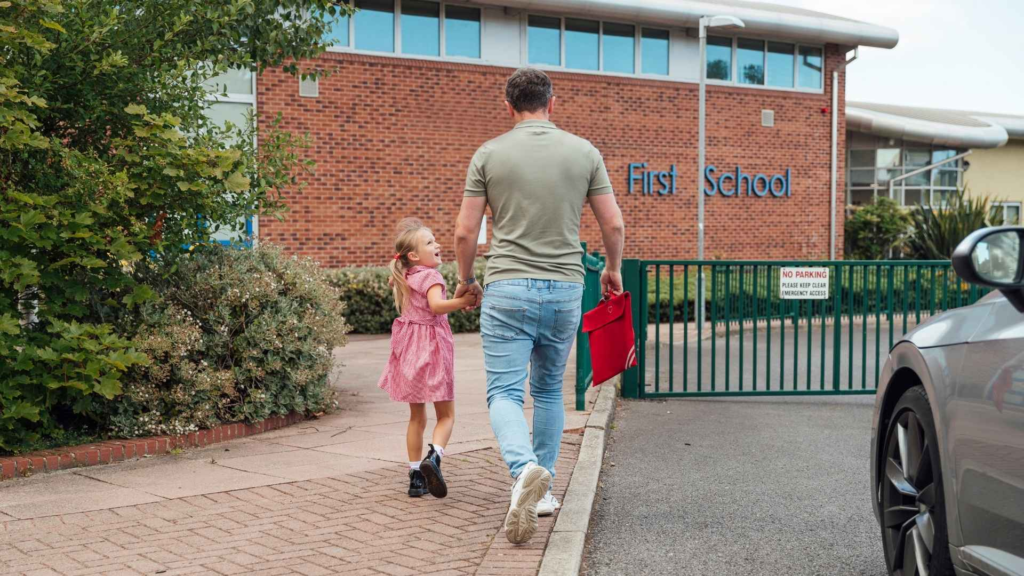
Drop-off can be one of the hardest parts of the preschool day. One moment your child is holding your hand, and the next they are crying, clinging, or begging you not to leave. For parents, it can feel heartbreaking. For children, it can feel big, confusing, and overwhelming.
The good news is that separation anxiety in preschoolers is common, normal, and usually temporary. Many children struggle with being apart from a parent, especially after a weekend, a holiday break, a classroom change, or the start of a new school year. These feelings do not mean your child is not ready for preschool. They usually mean your child is still learning that school is safe, routines are predictable, and you always come back.
At Mary Margaret Daycare and Learning Center, we have supported families across the St. Louis area since 1988. With programs for children from six weeks to twelve years old, we understand how emotional transitions can be. We also know that with calm routines, consistent goodbyes, and caring teachers, most children settle in and build confidence over time.
What Separation Anxiety Looks Like in Preschoolers
Separation anxiety is a child’s distress when being apart from a parent or trusted caregiver. It can show up in different ways depending on the child’s age, temperament, and recent experiences.
Some preschoolers cry at the classroom door. Others cling to a parent’s leg, refuse to take off their coat, or suddenly say they do not want to go to school. Some children complain of a tummy ache or ask repeated questions about when pickup will happen. Even children who have done well before can struggle again after illness, vacations, family stress, or a move to a new classroom.
This matters because many parents assume tears mean something is wrong. Usually, they do not. In most cases, the child calms down shortly after the parent leaves and joins the class with support from a trusted teacher.
Why Preschool Drop-Off Can Feel So Hard
Preschool is full of growth, but growth often comes with discomfort. Young children thrive on connection and predictability. When a parent leaves, even for a familiar school day, the child has to manage a big emotional shift.
Fear of the Unknown
Children often feel anxious when they are unsure what comes next. A new teacher, new classmates, or even a different morning routine can make preschool feel less predictable.
Talking about the day ahead helps. When children know what to expect, they often feel safer and more prepared.
Big Feelings, Limited Skills
Preschoolers are still learning how to name emotions and calm themselves. They may feel worried or sad but not know how to express that clearly. Crying, resisting, or clinging is often how those feelings come out.
Parents Feel It Too
Children are not the only ones affected by separation anxiety. Parents often feel guilt, sadness, stress, or self-doubt during drop-off. Children notice those emotions. If a parent seems unsure, a child may read that as a sign that something is wrong.
That does not mean you must hide your feelings. It just means calm, confident energy can help your child feel more secure.
How to Prevent Separation Anxiety Before You Arrive
A smoother drop-off often starts long before you reach the classroom.
Talk About Preschool Ahead of Time
One of the best ways to reduce anxiety is to talk about preschool before the school day begins. Keep the conversation simple, upbeat, and honest.
You might say:
- “After breakfast, we’ll drive to school.”
- “Your teacher will help you hang up your backpack.”
- “You’ll play, learn, and see your friends.”
- “I will come back after nap time.”
This kind of preview helps remove some of the mystery. It also gives children a mental picture of what to expect.
Read Books and Role-Play Goodbyes
Books about school and pretend play can also help children prepare. Try acting out drop-off with stuffed animals or dolls. Practice a short goodbye, then a happy reunion. This gives your child a chance to rehearse the routine in a low-pressure way.
Create a Predictable Morning Routine
Children feel safer when mornings follow the same general pattern. A routine does not need to be perfect. It just needs to be consistent enough that your child knows what happens next.
A simple preschool morning routine might include:
- Wake up
- Get dressed
- Eat breakfast
- Brush teeth
- Grab backpack
- Drive to school
- Hug, goodbye, and teacher handoff
At Mary Margaret Daycare and Learning Center, we believe routine supports confidence. Children do better when they know what to expect at home and in the classroom. Predictable transitions are part of how we balance fun with education in a nurturing environment.
Avoid Rushing if You Can
Rushed mornings often raise stress for both parent and child. Packing lunches the night before, laying out clothes, and leaving a few extra minutes in the morning can make a real difference.
When the adults feel rushed, children often feel it too.
What to Do at Drop-Off
The drop-off moment matters. Small changes in how you say goodbye can help your child adjust faster.
Keep Goodbyes Short and Consistent
A short, warm goodbye is usually best. Long, emotional exits can make the transition harder.
A healthy drop-off ritual might look like this:
- Walk your child into the classroom
- Help them put away their things
- Give one hug
- Say a simple goodbye phrase
- Leave calmly
Your phrase might be: - “I love you. I’ll see you after snack.”
- “Have a fun day. I’ll be back this afternoon.”
- “You are safe. Your teacher will take care of you.”
The key is consistency. When the goodbye happens the same way each day, children learn to trust the pattern.
Don’t Sneak Out
It can be tempting to leave while your child is distracted. In the moment, that may seem easier. In the long run, it often creates more anxiety.
If your child realizes you disappeared without saying goodbye, they may worry more the next day. Trust grows when children know that you leave honestly and return when you said you would.
Don’t Linger Too Long
Staying too long can accidentally send the message that school is not safe without you there. If your child cries, it is okay to let the teacher step in and comfort them.
Many children settle much faster once the goodbye is complete.
Comfort Strategies That Really Help
Some children need a little extra support during the transition from home to school.
Bring a Small Comfort Item
A small object from home can help children feel connected. This might be:
- A family photo
- A tiny stuffed animal
- A small piece of fabric from a blanket
- A note in their backpack
Keep it simple and center-approved. Too many toys from home can create other problems, especially in a group setting where children are learning to share and keep track of belongings.
Use Reassuring Language
The words you use matter. Try to be calm, specific, and confident.
Helpful phrases include:
- “Your teacher will help you.”
- “You know what to do when you get here.”
- “You are getting better at drop-off every day.”
- “I always come back.”
These messages help children build trust in the routine and in themselves.
Partner With Teachers for a Smoother Transition
Parents do not have to handle separation anxiety alone. A strong teacher partnership makes a big difference.
At Mary Margaret, our teachers are trained to support transitions with warmth, structure, and patience. They greet children, redirect them into engaging activities, and help them feel safe in the classroom community. Whether a child is entering preschool for the first time or adjusting to a new room, our staff works closely with families to make the process smoother.
Share What Helps Your Child
Tell the teacher about your child’s favorite comfort strategies, interests, and triggers. For example:
- Favorite songs
- Preferred toys or activities
- Nicknames they respond to
- Recent home changes
- Phrases that calm them
This helps the teacher connect quickly and provide support that feels familiar.
Trust the Classroom Routine
Children often calm down soon after parents leave because the classroom gives them something steady to focus on. Story time, sensory play, art, music, and group activities help shift attention from the goodbye to the day ahead.
That is one reason quality preschool environments matter. At Mary Margaret Daycare and Learning Center, we create safe, engaging classrooms where children can build social skills, confidence, and trust through daily routines and caring relationships.
When to Ask for Extra Help
Most separation anxiety improves with time and consistency. Still, some children need extra support.
Talk with your child’s teacher or center director if:
- Intense crying lasts for several weeks
- Your child cannot settle into activities
- They seem distressed all day, not just at drop-off
- Sleep or eating problems increase at home
- They show signs of fear in multiple settings
Sometimes a gradual plan helps. This may include shorter days, extra classroom visits, or a more tailored drop-off strategy.
If anxiety feels severe or affects many areas of life, talk with your pediatrician as well.
Supporting Yourself as a Parent
It is hard to walk away from a crying child. That emotional reaction is normal. It does not mean you are weak, and it does not mean you are making the wrong choice.
Try to remember this: learning to separate in a safe, loving setting is part of healthy development. Children build resilience by practicing hard things with support.
Take a breath after drop-off. Remind yourself that tears are often brief. Trust the process, trust your child’s teachers, and trust that this stage can improve.
Final Thoughts on Preventing Separation Anxiety in Preschoolers
Separation anxiety in preschoolers can make mornings stressful, but it usually does not last forever. Talking about preschool ahead of time, creating simple routines, keeping goodbyes short, and partnering with teachers can make a real difference.
At Mary Margaret Daycare and Learning Center, we know that every child adjusts at their own pace. Since 1988, we have helped St. Louis families through every stage of early childhood with a caring approach that balances education, structure, and fun. Our goal is to help children feel secure enough to explore, learn, and enjoy their day.
If your family is preparing for preschool and looking for a nurturing place where children are supported through every transition, Mary Margaret is here to help.