Key Takeaways
- Winter (December through February) is a perfect time to combine cozy family moments with educational winter activities for kids that build real skills in literacy, math, science, and social-emotional development.
- You don’t need fancy supplies. Common household items like paper, pom poms, ice cubes, baking soda, and painter’s tape can fuel weeks of winter fun across every age group.
- Mixing indoor sensory play, outdoor adventures, crafts, and movement keeps children engaged, active, and learning all winter long without relying on screens.
- High-quality childcare programs like Mary Margaret Childcare and Learning Center weave structured, play-based winter activities into daily routines, supporting the whole child even on the coldest days.
- Adjusting activity length and complexity by age (toddlers, preschoolers, school-age kids) ensures every child stays challenged, confident, and excited to explore.
Introduction: Turning Winter Into a Season of Learning
Winter in the St. Louis area means frost on the windshield, early sunsets around 4:45 p.m. in December, and those unpredictable days where temperatures swing between the mid-40s and the low 20s. For parents, it can also mean a long stretch of cabin fever, screen-time negotiations, and the nagging question: how do I keep my kids busy and still learning?
The good news is that winter is actually a perfect time to lean into hands-on learning. The changing seasons bring unique textures, temperatures, and natural phenomena that you simply can’t replicate in summer. Snow, ice, cold air, and cozy indoor afternoons all become raw material for play that builds real skills.
At Mary Margaret Childcare and Learning Center, the philosophy is straightforward: fun balanced with education. That means structured routines, play-based learning, and whole-child development don’t stop when the temperature drops. This blog post is your practical guide to educational winter activities for kids, organized by type (sensory play, crafts, STEM, movement, outdoor adventures, and more) with ideas for toddlers all the way up to age 10–12.
Quick-Start Winter Fun Ideas You Can Do Today
No prep time? No problem. These activities use items you probably already have at home and can be running within minutes.
Indoor “snowball” fight. Crumple up scrap paper or grab a basket of soft socks. Indoor snowball fights can be done using paper, and they’re a great activity for burning energy while practicing turn-taking and gross motor coordination. Set a timer, divide into teams, and count who collected the most “snowballs” after each round.
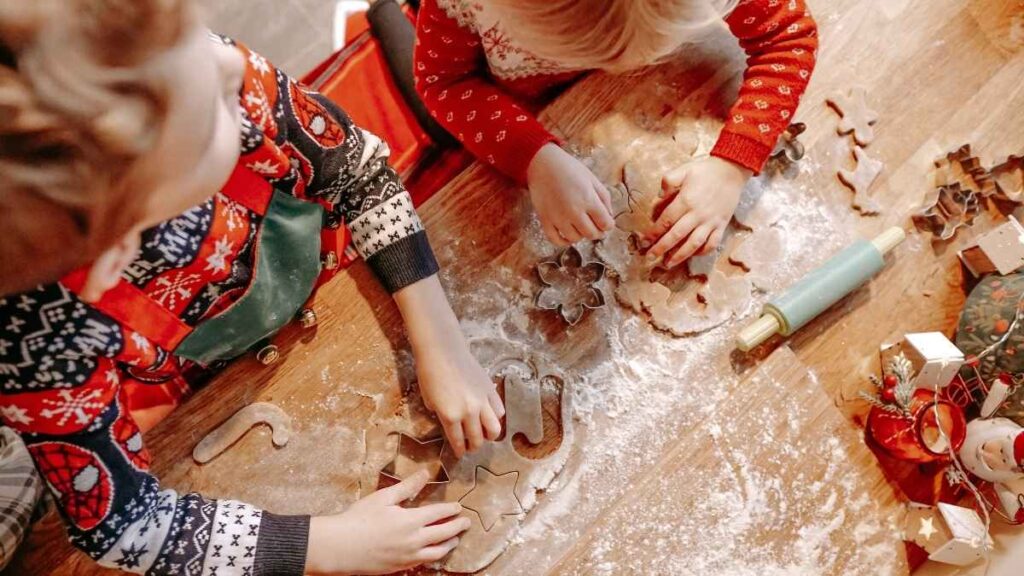
Hot cocoa math game. After outdoor play or just as a warm afternoon snack, give kids a cup of hot cocoa and a handful of mini marshmallows. Have them count, sort by size, or create simple addition problems. Baking cookies helps children learn measurements and numbers too, so move from cocoa to the kitchen if you want to extend the fun way of learning.
Winter scavenger hunt. Challenge kids to explore the house and find something fuzzy, something white, something cold, and something that melts. This builds vocabulary, observation skills, and descriptive language without a single worksheet.
Winter charades. Act out snowman building, ice skating, shoveling snow, or catching snowflakes. This game supports imagination, social skills, and movement, and kids love the silliness of watching siblings waddle like penguins.
Indoor Sensory Play: Bringing Snow and Ice Inside
Sensory play is one of the most powerful tools for toddlers and preschoolers during the colder months. According to the Cleveland Clinic, sensory activities support language growth, fine motor skills, emotional regulation, and scientific thinking. Winter offers a natural toolkit for sensory exploration.
Snow bin. Bring clean snow indoors in a plastic tub and let children dig, scoop, and shape it. No snow outside? DIY artificial snow combines equal parts baking soda and shaving foam for a moldable, cool-to-the-touch substitute. Colored snow can be created using food coloring and snow, or you can add food coloring to your artificial version for an extra layer of exploration. Either way, kids can fill cups, pack shapes, and watch what happens as the snow warms up. The kitchen can be used to teach about states of matter right alongside snack prep.
Frozen pom pom rescue. Place colorful pom poms in an ice cube tray, cover with water, and freeze overnight. The next day, provide tongs, spray bottles filled with warm water, and droppers. Frozen pom poms can be excavated using warm water and tools like squeeze bottles or small hammers. Frozen pom-poms support fine motor skills and sensory exploration while also introducing color sorting and problem-solving. Children can experiment with melting rates using ice and warm water, comparing what works fastest.
Ice cube exploration tray. Freeze water with food coloring into cubes of different colors. Lay them out on a tray and let kids drip salt, warm water, or additional colored water over the cubes. They’ll watch the ice melt, colors mix into secondary shades, and begin talking about changing states of matter. Colored snow can be created by adding food coloring to snow in a separate tray nearby for side-by-side comparison.
Ice rescue activities involve melting ice to free toys, and they promote problem-solving and hand-eye coordination. Freeze small plastic animals or figurines into a block of ice and let children figure out different ways to rescue them. This icy rescue challenge keeps toddlers and preschoolers engaged for longer than you’d expect.
Crafty Winter Creations: Art Projects With a Learning Twist
Winter crafts give children a chance to develop creativity, fine motor skills, and focus during long afternoons indoors. Here are a few favorites that double as learning experiences.
Melted snowman collage. The melted snowman craft uses equal parts white glue and shaving cream to create a puffy, textured “melted” snowman shape on paper. Add black buttons for eyes, an orange paper triangle nose, and craft stick arms. Then ask kids to retell the story of why their snowman melted. This simple art project builds narrative skills and sequencing.
Name snowman. The snowman name craft uses white circles for each letter in a child’s name, stacked vertically or lined up left to right. Each “snowball” holds one letter, reinforcing letter recognition and the direction we read. Coloring dried chickpeas enhances fine motor skills and creativity, and they make excellent decorations glued onto each snowball.
Secret snowflake painting. Secret snowflakes art uses white crayon and watercolor paints. Children draw snowflake designs with a white crayon on white paper (the “secret”), then paint over the paper with blue watercolors. The wax resists the paint, revealing the hidden snowflake. This introduces a simple science concept while producing art that’s pretty easy to display on a winter gallery wall.
More ideas. Art projects like snowflake cutting teach symmetry concepts beautifully. Creating a snow globe is a fun indoor winter activity that combines craft skills with a bit of science. And creating crystal snowflakes teaches about crystallization when you suspend pipe cleaner shapes in a borax solution overnight. Teachers and parents can display finished pieces at home or in a child care center classroom to boost confidence.
Literacy & Storytelling: Winter Books, Stories, and Drama Play
Winter is ideal for snuggling up with books and turning stories into active learning, especially on dark December evenings when sunset comes before dinner.
Pair classic winter picture books like “The Snowy Day” by Ezra Jack Keats or “Snowmen at Night” by Caralyn Buehner with follow-up activities. After reading, kids can draw their favorite scenes, act them out, or create their own endings. This kind of imaginative play deepens comprehension and builds vocabulary.
Try a “changing seasons” storytelling box: fill a small shoebox with winter and summer figures, fabric scraps for snow and grass, and tiny props. Children move characters from a winter scene to a summer scene and back again, narrating the story of what changes. This builds vocabulary about weather, clothing, and nature across the seasons.
For a quick imaginative fun activity, make “winter story dice.” Draw or print simple icons on paper cubes: a snowflake, scarf, cup of cocoa, sled, mittens, and a polar bear. Kids roll, then invent a story using all the rolled pictures. Learning about winter solstice traditions incorporates geography and culture too, so consider reading a short book about how different families around the world celebrate the shortest day of the year.
At Mary Margaret classrooms, teachers use read-alouds and dramatic play corners, like a hot cocoa stand or a pretend ice skating rink, to develop language throughout the season.
Math, Science & STEM: Exploring Winter Weather and Changing Seasons
Winter naturally invites conversations about temperature, ice, and snow, making it a perfect time for STEM learning through play. Winter activities can combine science, creativity, and movement into a single session.
Melt race experiment. Place identical ice cubes in warm water, cold water, sunlight, and shade. Have kids predict which will melt first, then watch and record the results. This is a great opportunity to introduce words like freeze, melt, solid, and liquid in simple kid-friendly language.
Snowflake symmetry. Fold a square piece of paper into triangles and let children cut patterns along the edges. When unfolded, the symmetrical designs reveal how snowflakes work. Observing snowflakes reveals their hexagonal structures and symmetry, which you can explore further with a magnifying glass. Snowflake studies involve catching and examining snowflakes outdoors on a cold day using dark fabric or paper.
Weather chart. In January and February, have children record each day’s weather (sunny, cloudy, snowy, icy) on a simple chart. At the end of the month, count and compare. Measuring snow depth offers practical math applications too, using a ruler stuck into fresh snow after a storm.
Frozen bubbles. On the coldest days, head outside with bubble solution. Frozen bubbles form at temperatures around -2 to -3°C (about 27°F). Frozen bubbles can be created when temperatures drop below -2°C, and frozen bubbles freeze at temperatures around -2 to -3°C, creating a stunning, short-lived crystal shell that children can watch form in real time.
Building a snow volcano teaches about chemical reactions: pack snow into a volcano shape, pour in baking soda and vinegar, and watch the eruption.
Movement & Gross Motor: Indoor Winter Energy-Burners
Kids need to move even when wind chills and icy sidewalks keep families inside. Without regular physical activity, energy builds up and behavior can spiral, so plan for it.
Indoor obstacle courses. Indoor obstacle courses can be made with household items. Use painter’s tape on the floor to mark paths, lay couch cushions as “icebergs” to jump over, drape blankets over chairs for “tunnels,” and set up a long strip of tape as a balance beam. You can adapt the course every few hours to keep it fresh.
Winter animal movement game. Call out an animal and have kids move accordingly: waddle like a penguin, lumber like a polar bear, leap like an arctic fox, or swoop like an owl. This builds strength, coordination, and knowledge of animals that thrive in cold weather.
Living room ice skating. Place paper plates or felt squares under socks on carpet and let kids glide. Ice skating is a popular winter activity for kids, and this indoor version mimics the balance and core strength required without the risk of falling on real ice. It’s a game the whole family can participate in.
Mary Margaret programs incorporate safe indoor movement breaks and gross motor centers so children don’t feel cooped up all winter long.
Outdoor Adventures: Safe Winter Fun in the Snow and Ice
Research from Natural Start’s Flourishing in Winter Guidebook shows that outdoor winter activities improve children’s mental health and creativity while building physical resilience. The key is dressing in layers, watching wind chill (avoid exposure below -15°F per HealthyChildren.org), and keeping outdoor sessions short but regular.
Educational snow play. Build snowmen to compare sizes (small, middle, large) or line up snowballs to count and practice simple addition. Kids can create ice orbs using balloons and colored water left outside overnight, turning the yard into a street of frozen jewels.
Nature color hunts. Head to a local park and look for green pine needles, red berries, brown branches, and white snow. This develops observation skills and descriptive language.
Animal tracking. After fresh snow, animal tracking helps children understand local wildlife behavior. Look for rabbit, squirrel, or bird prints. Drawing scale maps from animal tracks encourages observation skills and introduces early mapping concepts. Pinecone bird feeders help children identify local bird species too: roll a pinecone in peanut butter and birdseed, hang it from a branch, and watch who visits.
Family ice skating. Visit a local rink for a few hours of balance practice and confidence building. Count laps, time how long each person can skate without grabbing the wall, and enjoy winter fun as a whole family outing.
Pom Poms, Loose Parts & Fine Motor Winter Setups
Loose parts like pom poms, buttons, cotton balls, and bottle caps are open-ended materials you can use all season across multiple winter activities. Hands-on winter activities enhance learning experiences for children, and these materials make setup pretty easy.
Winter hat color match. Print or draw winter hat outlines on paper. Children use tongs to grab and place matching colored pom poms onto each hat, strengthening fine motor skills and color recognition.
Snowstorm in a jar. Fill a clear jar with water, add a few cotton balls or pom poms and small seasonal items (tiny plastic snowflakes, glitter). Kids shake, count, and sort what they see.
Build-a-snowman station. Building snowmen with Play-Doh fosters creativity and fine motor skills. Set out Play-Doh along with loose parts for eyes, noses, scarves, and buttons. Children arrange and rearrange faces and accessories, practicing design and storytelling.
Squeeze and spray. Squeezing bottles develops fine motor strength for later skills like writing and cutting. Fill spray bottles with colored water and let kids spray patterns on snow outdoors or on paper indoors. Frozen pom poms can be excavated using warm water from squeeze bottles, combining two activities in one.
Winter Activities by Age: Toddlers, Preschoolers, and School-Age Kids
Different ages benefit from different levels of challenge. Mary Margaret programs plan winter fun with age-appropriate goals across all nine locations.
Toddlers (1–3). Focus on short, simple sensory play: snow bins, pom pom scooping with large spoons, and finger painting with “snow” foam. Sturdy board books about winter (like “Hello, World! Winter”) work well for this age. Keep activities to 10–15 minutes and expect messy, joyful exploration. Toddlers are excited by anything they can grab, fill, and dump.
Preschoolers (3–5). This is the sweet spot for simple STEM experiments, pretend play (toy sleigh rides, winter kitchens with play food), name snowman crafts, and early counting games. Preschoolers can develop longer attention spans of 20–30 minutes and love activities where they create something to show parents at the end of the day. This age group thrives on imaginative fun and repetition.
School-age kids (6–10). Offer more complex projects: making homemade bird feeders, writing winter poems, building simple cardboard sled ramps for toy cars, and tracking temperatures across a week. Connecticut offers numerous winter activities for families, and looking at what programs in New England do with snow-heavy curricula can spark ideas for older kids anywhere. School-age children can sustain focus for 30–45 minutes and enjoy projects that feel “real.”
Winter Fun in Quality Childcare Settings (Mary Margaret’s Approach)
High-quality childcare turns everyday winter fun into planned learning experiences linked to developmental goals. According to the CDC, about three in five children under age five spend time in non-parental care, and center-based programs are the most common arrangement. What happens during those hours matters.
Mary Margaret classrooms set up winter-themed learning centers throughout the season: sensory tables with artificial snow, dramatic play cocoa stands, and winter art stations. A meta-analysis of 39 studies found that guided play (where adults scaffold but children lead) significantly improves early math skills, spatial vocabulary, and executive function compared to either free play or direct instruction alone.
Mary Margaret’s whole-child approach means winter activities are chosen to support social skills, literacy, early math, self-regulation, and physical development together. With programs for children from six weeks to twelve years old across nine St. Louis-area locations, families get continuity of routines and learning through winter breaks. If you’re looking for a child care center that keeps life enriching even in the coldest months, explore Mary Margaret’s programs or schedule a winter tour.
Tips for Planning a Low-Stress Winter Activity Routine
Winter can feel long for parents juggling work, childcare, and school breaks, especially around mid-December and those stretching January weekends. A little planning goes a long way.
Create a weekly rhythm. Try “STEM Monday,” “Story Tuesday,” “Movement Wednesday,” “Art Thursday,” and “Free Play Friday.” When kids know what to hope for, they stay engaged and transitions feel smoother.
Use what you have. Prioritize recycling boxes, scrap paper, kitchen tools, and items already in your craft bin. You don’t need a discount code for specialty supplies to fill an afternoon with meaningful play.
Let kids choose. Write activity ideas on slips of paper and drop them into a “winter activities” jar. Let children pull one out each day. Ownership builds excitement.
Repeat favorites. It’s okay to run the same sensory play or craft idea across the season. Repetition builds skills and confidence, and children often discover new angles on a familiar experiment the second or third time around.
FAQ: Educational Winter Activities for Kids
Here are answers to the practical questions parents ask most about keeping children engaged, safe, and learning through winter.
How much screen time is okay for kids during long winter days?
Screens can be a useful tool in moderation, but families should aim for a balance with hands-on winter fun, reading, and active play. The American Academy of Pediatrics recommends avoiding screen time for children under 18 months (except video chatting) and limiting it to high-quality programming for ages 2–5. A fun way to use screens productively is to watch a short video about snowflakes or arctic animals and then follow up with a related craft or experiment.
What if my home doesn’t get much snow-can we still do winter activities?
Absolutely. Many educational winter activities work with ice cubes, DIY artificial snow (baking soda and shaving foam), winter-themed books, and indoor sensory play instead of real outdoor snow. Try frozen pom pom rescue, snowflake crafts, or pretend ice skating in the living room with paper plates under socks. St. Louis averages only about 12–15 inches of snow per season, often in patches, so indoor alternatives are essential here.
How long should winter activities last for different ages?
Aim for 10–15 minutes for toddlers, 20–30 minutes for preschoolers, and up to 45 minutes for school-age children. Follow the child’s lead and end while they’re still enjoying the activity. This keeps enthusiasm high for next time and avoids the frustration that comes from pushing past their attention span.
How can I include siblings of different ages in the same winter activity?
Use one shared setup, like a snow bin or ice exploration tray, and assign different “jobs” by age. Toddlers scoop and pour. Preschoolers sort by color and count. Older kids measure, record temperatures, or invent a story about the scene. Encourage older siblings to “teach” or guide younger ones, which builds leadership skills and deepens their own understanding.
What role can a childcare center play in keeping kids engaged during the winter?
A strong childcare program offers structured daily opportunities for winter fun that are aligned with learning goals in literacy, math, and social-emotional development. Centers like Mary Margaret maintain consistent routines, safe indoor and outdoor play spaces, and age-appropriate winter activities throughout the season. This can ease the pressure on parents during busy workweeks and give children a richer experience than most families can manage alone.